It’s the start of the week, and your plate isn’t just full, it’s a five-course meal of high-priority, high-impact initiatives that each demand sharp decision-making, seasoned leadership, and operational precision. You may be preparing for the upcoming Board meeting at the top of your agenda. That means sharpening your executive narrative, validating KPIs, fine-tuning financials, and framing the story not just around performance, but future readiness.
In parallel, you’re deep into annual business and corporate growth planning. Meanwhile, you’re working through capital allocation decisions and asset management issues. With every dollar of investment needing justification, you’re weighing ROI, assessing risks, and making tough calls between immediate operational needs and long-term returns. On the internal side, the monthly town hall is around the corner. Overlaying it all is the ongoing pressure of labor shortages. It’s a week of juggling, yes, but it’s also a week of leading. Every task on your list is a lever for growth, stability, or transformation. And while others may see chaos, you see opportunity and success!
After dedicating over 30 years to Life Plan Community operations, I am not sure there’s a task I haven’t tackled. Of the many responsibilities that have kept me up at night throughout my career, dining services always remained near the top of that list. We’ve all heard it before—dining is the number one satisfier for residents, and equally, the number one dissatisfier if not executed well.
Early in my career, having come from for-profit environments like Marriott and Hyatt, dining services were firmly rooted as an in-house operation. It was seen as a core competency, a reflection of the organization’s identity and a direct line to resident satisfaction. But as I gained experience in the not-for-profit world and responsibilities grew in complexity, I began to see the merits of alternative models, including outsourcing.
My most recent role was Chief Operating Officer for Moorings Park Institute, a multi-campus portfolio of luxury life plan communities located in the heart of Naples, Florida. Operating a CCRC is an extraordinarily complex business, even with robust systems and technology. Ensuring quality across such a wide spectrum of services requires thoughtful consideration of span of control, resource allocation, and accountability. Over time, I came to see outsourcing not as relinquishing control, but as a potential strategy for enhancing focus and excellence, if done right.
If you are hesitant to explore outsourcing due to fears of losing control, declining quality, or morale challenges, I respectfully offer a different view. When a partnership is built on clear expectations, open communication, and shared leadership oversight, those risks can be effectively mitigated and, in many cases, entirely avoided.
If you want to learn more about outsourcing, including culinary and dining services, consider reading the book “Vested Outsourcing, Five Rules That Will Transform Outsourcing” by Kate Vitasek.
I found that by aligning our goals and investing equally in the process, we created more than just a successful food program. We built a strong, enduring partnership that continues to evolve and inspire innovation. Together, we achieved measurable improvements across multiple facets of our operation.
So, what changed?
– Increased production and efficiency.
– Gained the ability to source and retain specialized culinary professionals.
– Increased output and improved resource utilization.
– Reduced staff turnover.
– Enhanced access to culinary talent.
– Innovative, health focused menu options for all venues of service.
– Most importantly, residents consistently reported higher levels of satisfaction and participation, underscoring the success of our efforts.
Ultimately, the decision to outsource dining is not about “letting go”— it’s about choosing the right partner and co-creating a model that works for your unique culture and community. When operators and culinary experts collaborate with trust, transparency, and shared vision, dining programs become more than service lines, they become sources of pride, satisfaction, and real community connection. I’ve seen firsthand how the right partnership can elevate resident experiences, improve team dynamics, and drive meaningful innovation.
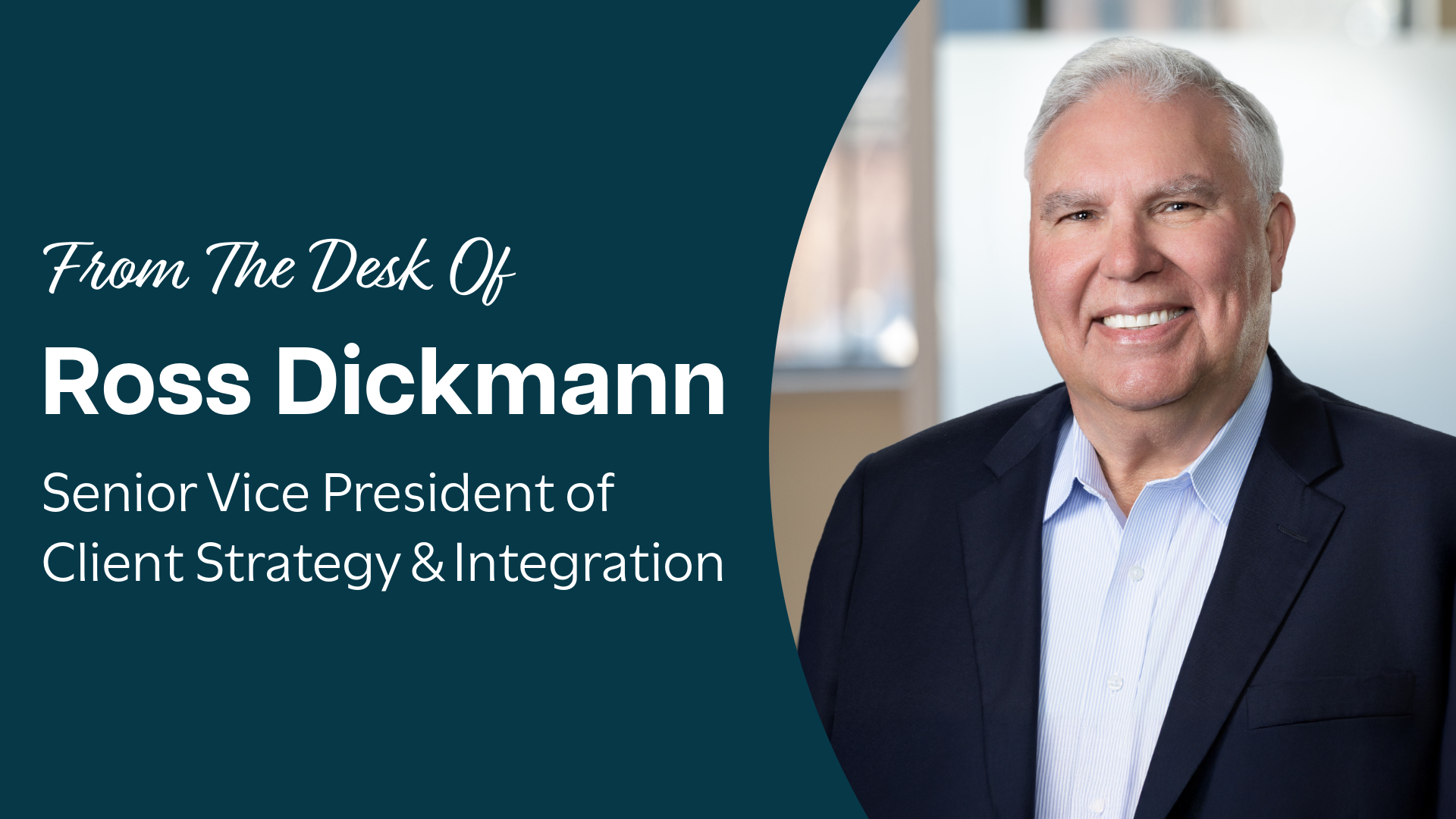
I came out of retirement to join Restaura because I believe this company represents the future for operators like you. My role is to serve as a bridge between community leadership, who are navigating complex and demanding responsibilities and Restaura’s best-in-class culinary and dining programs.
I firmly believe that to be truly effective, this bridge must be built on the insight, experience, and deep understanding that comes from successfully leading life plan communities. That’s the perspective I bring, and it’s what drives my commitment to supporting you and your teams.
If you’re exploring new ways to strengthen your dining program through strategic collaboration, I’d welcome the chance to connect.